



DATE:2026-06-01
1. Long simmering leads to material scorching at kettle bottom, high raw material loss and inconsistent flavor.
2. Heavy manual work for feeding, stirring and transferring brings high labor cost and unstable output.
3. Uncontrolled temperature fluctuation causes uneven nutrient extraction and inconsistent taste between batches.
4. Structural dead corners and inferior material trigger sanitation risks, failing FDA & HACCP export standards.
5. Single heating mode cannot adapt to varied factory power/gas conditions and flexible capacity adjustment.
Targeted Solutions
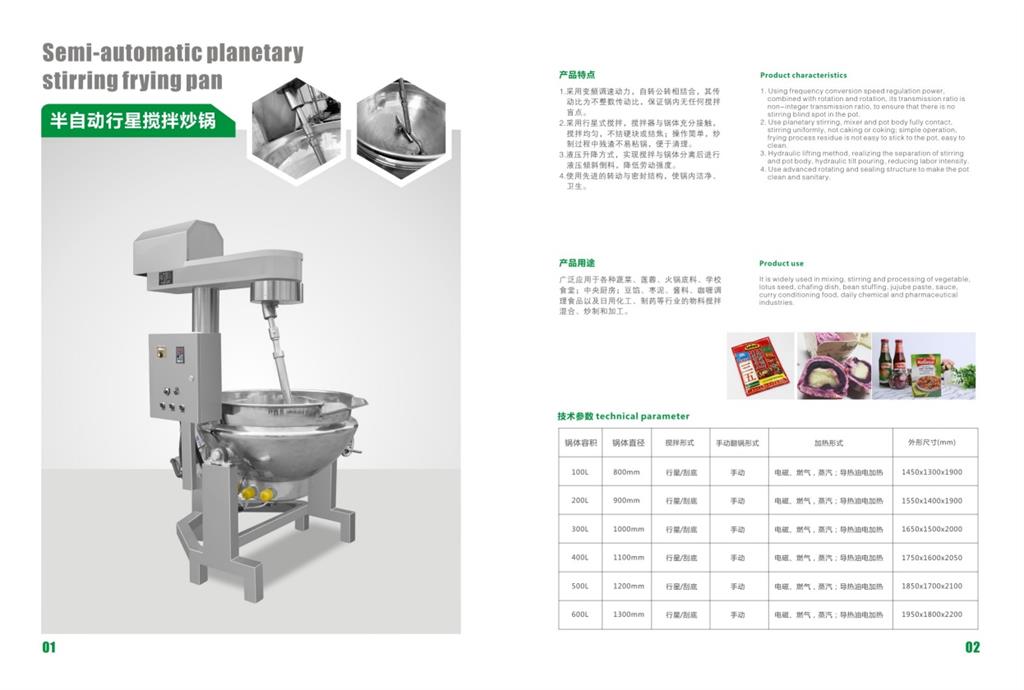
1. Anti-scorch & higher efficiency: Scraping agitator jacketed kettle + vacuum segmented cooking cuts cooking time by 30%; 316L polished or food-grade non-stick liner avoids burning.
2. Labor-saving automation: Auto feeding & pipeline closed conveying; PLC one-click formula operation plus central cluster control reduces on-site staff by 60%.
3. Precise temperature control: ±0.5℃ closed-loop system with 3-point vertical sensing; finished products stored in thermostatic tanks for stable batch quality.
4. Export-grade hygiene: Full 316L rounded seamless structure + automatic CIP cleaning; fully enclosed production to pass FDA/HACCP audits.
5. Flexible multi-heating option: Interchangeable steam/electric/gas heating, modular setup for easy capacity expansion; waste heat recovery lowers energy cost.
Extra Supporting Options
Dual-line for lab trial and mass production; automatic data logging for food traceability and export inspection.